

Welcome to My Blog!
Before we dive into the content, if you’re interested in our products or have any questions, please feel free to visit our Contact Us page on the website. Our team is ready to assist you with inquiries, orders, or any support you may need.
Now, let’s get started on our journey together. I hope you find the content here insightful, engaging, and valuable.
Table of Contents
Forklifts are essential tools in many industries, from warehouses to construction sites. However, not all forklifts are built the same. For businesses operating in tight spaces or requiring a compact solution, a small forklift can be the ideal choice. In this comprehensive guide, we will delve into everything you need to know about small forklifts—how they work, their key features, why you might need one, and how to choose the best model for your needs.
What is a Small Forklift?

A small forklift is a type of material handling equipment designed for use in tight spaces where larger forklifts cannot operate efficiently. These compact forklifts are ideal for smaller warehouses, retail stores, or any other environment where maneuverability is crucial. Small forklifts come in various types, including electric, gas-powered, and diesel models, each offering different features depending on the specific requirements of the user.
Definition of a Small Forklift
A small forklift generally refers to a forklift with a reduced size and weight compared to standard forklifts, making it more suitable for confined spaces and smaller loads. Typically, small forklifts are classified by their lifting capacity, which usually ranges from 1 to 5 tons. These machines can easily maneuver through narrow aisles, lifting and transporting goods with efficiency and ease.
Types of Small Forklifts
There are several types of small forklifts, each with its specific features:
- Electric Small Forklifts: These are battery-powered forklifts known for their quiet operation, lower emissions, and suitability for indoor environments.
- Gas-Powered Small Forklifts: Powered by LPG or gasoline, these forklifts are better suited for outdoor use and can lift heavier loads than their electric counterparts.
- Manual Pallet Jacks: A more basic option, these are ideal for light loads but have limited capabilities compared to powered forklifts.
Key Differences Between Small Forklifts and Standard Forklifts
Small forklifts differ from standard forklifts mainly in their size, lifting capacity, and maneuverability. While standard forklifts can lift larger loads, small forklifts are designed for precision in smaller spaces. They are much more compact, offering the ability to work in aisles that are too narrow for larger forklifts.
Key Features of Small Forklifts
When considering a small forklift for your business, it’s important to understand the features that set them apart from other equipment. Below are some of the key features of small forklifts that you should take into account when choosing the right model for your needs.
Compact Design for Tight Spaces
One of the standout features of small forklifts is their ability to operate in tight spaces. They have a compact design that allows them to maneuver easily around obstacles, such as shelves and walls, without requiring large turning radii. This makes them an ideal choice for warehouse settings with narrow aisles or small retail environments.
Lifting Capacity and Height
Although small forklifts are compact, they still pack a punch in terms of lifting capacity. Most small forklifts can lift up to 5 tons, making them suitable for handling a wide range of materials. Additionally, these forklifts come with varying lifting heights, ensuring that you can handle goods of different sizes. It’s important to evaluate your specific lifting needs before selecting a forklift.
Power Options: Electric vs. Gas-Powered
Choosing between electric and gas-powered small forklifts depends on your specific operational needs. Electric forklifts are ideal for indoor use as they produce zero emissions and operate quietly, making them a better option for environments like warehouses. On the other hand, gas-powered forklifts are more suited for outdoor use and are often more powerful, capable of lifting heavier loads.
Ergonomics and Operator Comfort
Comfort is crucial when selecting any heavy machinery, and small forklifts are no exception. Many small forklift models come with ergonomic features like adjustable seats, intuitive controls, and air-conditioned cabins (for larger models). These features ensure that operators are comfortable during long shifts, minimizing the risk of fatigue or injury.
Why Choose a Small Forklift for Your Business?

Small forklifts are an excellent choice for businesses that need to operate in confined spaces or require a flexible solution for material handling. Here are some of the key benefits of using small forklifts in your operations.
Increased Maneuverability in Small Spaces
The most significant advantage of a small forklift is its ability to operate in tight spaces. In a warehouse or retail environment where space is at a premium, a small forklift can navigate narrow aisles and easily access high shelves or stacked goods.
Cost-Effectiveness for Smaller Operations
For small and medium-sized businesses that don’t need large forklifts, small forklifts offer a cost-effective solution. Their lower initial cost and reduced maintenance requirements mean that you can keep your operational costs low while still benefiting from the flexibility that forklifts provide.
Energy Efficiency and Reduced Emissions
Electric small forklifts, in particular, are energy-efficient and produce zero emissions. This makes them an environmentally friendly option for businesses looking to reduce their carbon footprint. Additionally, small electric forklifts have lower operational costs compared to gas-powered models due to reduced fuel consumption and fewer moving parts.
Versatility for Different Applications
Small forklifts are not limited to warehouse use. Many industries, such as agriculture, retail, and manufacturing, also benefit from the versatility of small forklifts. From lifting heavy materials to moving delicate products, small forklifts can handle a wide range of tasks with ease.
How to Choose the Right Small Forklift for Your Needs
Choosing the right small forklift can be a complex decision, especially with so many options available. Here are the key factors to consider when selecting the ideal small forklift for your business.
Assessing Your Warehouse Size and Space Constraints
One of the first things to consider is the size of your warehouse or work area. If you operate in a cramped space, a forklift with a smaller turning radius is essential. In such cases, a smaller electric forklift might be the best choice, as they are highly maneuverable and ideal for indoor operations.
Deciding Between Electric and Gas-Powered Models
The decision between electric and gas-powered forklifts depends on your work environment. Electric forklifts are perfect for indoor settings where ventilation is limited. They are also more efficient in terms of fuel costs. Gas-powered forklifts are better for outdoor environments and can lift heavier loads, making them more suitable for construction or yard work.
Evaluating Weight Capacity and Reach
Understanding your weight capacity needs is crucial. Small forklifts are available in various capacities, so it’s essential to choose one that meets the demands of your material handling tasks. Additionally, ensure that the forklift’s lift height is adequate for the shelves or racks in your warehouse.
Understanding Your Budget and Financing Options
While small forklifts are more affordable than larger models, they still represent a significant investment. It’s important to set a clear budget and explore financing options if needed. Many dealers offer leasing or installment plans that can help spread the cost of your forklift over time.
Top Brands and Models of Small Forklifts
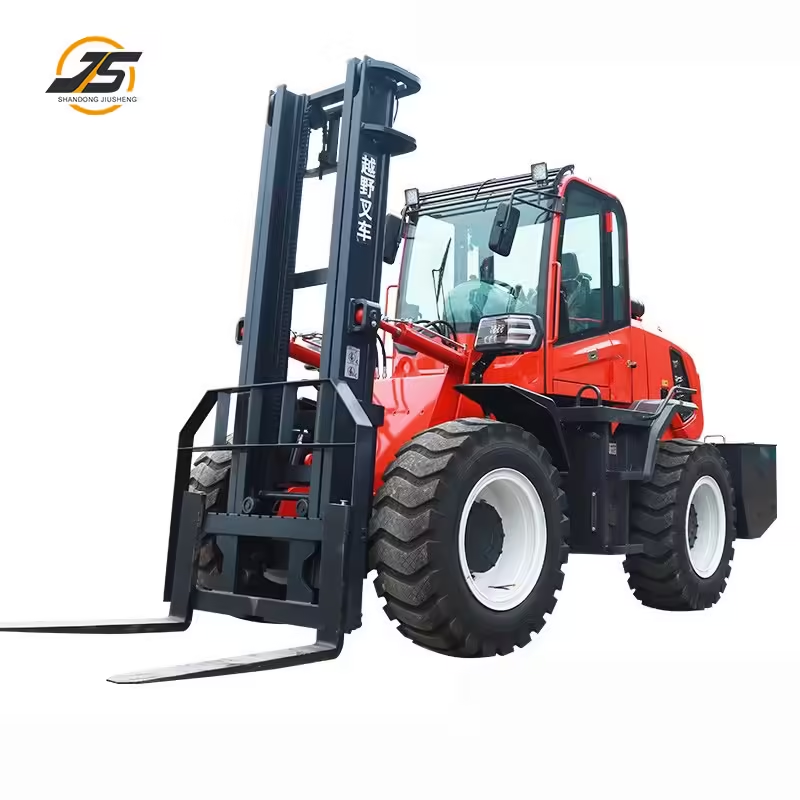
There are several reputable brands that specialize in small forklifts, each offering a variety of models designed for different applications. Here are some top brands to consider:
- Toyota: Known for its high-quality, durable forklifts, Toyota offers a range of small forklifts suitable for both indoor and outdoor operations.
- Jungheinrich: This German brand specializes in electric forklifts, providing energy-efficient options for businesses looking to reduce operational costs.
- Caterpillar: Caterpillar’s small forklifts are renowned for their heavy-duty capabilities and ability to handle tough environments.
Each of these brands offers a wide range of small forklift models that cater to different operational needs.
Small Forklift Safety and Maintenance Tips
To maximize the lifespan of your small forklift and keep it running efficiently, regular maintenance and proper safety measures are essential.
Safety Guidelines for Operating a Small Forklift
- Always ensure that the operator has received proper training.
- Regularly check the forklift’s brakes, tires, and lifting mechanisms.
- Keep the work area clean and free of obstacles to prevent accidents.
- Follow manufacturer guidelines for load limits and proper use.
Regular Maintenance Checklist
- Inspect the battery regularly (for electric forklifts) and ensure it is fully charged.
- Lubricate moving parts and check for wear and tear.
- Check hydraulic systems for leaks and ensure the lifting mechanism is functioning properly.
How to Extend the Lifespan of Your Small Forklift
By adhering to regular maintenance schedules and using the forklift correctly, you can extend the lifespan of your small forklift. Proper care will ensure that your investment lasts for years to come.
Cost of Small Forklifts: What to Expect
The cost of a small forklift can vary greatly depending on the type, brand, and features. Generally, new small forklifts range in price from $10,000 to $50,000 depending on the model and lifting capacity. Electric forklifts typically cost more initially but offer lower operating costs over time.
Renting vs. Buying a Small Forklift: Which is Better?

When deciding whether to rent or buy a small forklift, consider the following factors:
Pros and Cons of Renting a Small Forklift
- Renting is ideal for short-term projects.
- No long-term commitment or maintenance costs.
Advantages of Buying a Small Forklift
- Ownership allows for complete control over maintenance.
- A more cost-effective option for long-term use.
How to Decide Whether to Rent or Buy
Consider your long-term operational needs. If your forklift will be used regularly, buying may be the better option. If you only need a forklift for a specific period, renting could be a cost-effective solution.
Ready to Find the Perfect Small Forklift for Your Business?
Whether you’re looking for enhanced maneuverability in tight spaces, energy-efficient solutions, or cost-effective lifting options, we can help you find the right small forklift for your needs. Contact us today for expert advice, personalized recommendations, and the best deals in the market!
FAQ
What is a small forklift and how is it different from a regular forklift?
A small forklift is a compact version of a standard forklift, designed for use in narrow aisles and tight spaces. Unlike regular forklifts, which are larger and can lift heavier loads, small forklifts are more maneuverable and suited for environments with space constraints. Small forklifts typically have a lower lifting capacity (usually between 1 to 5 tons) and are available in electric or gas-powered models.
Can a small forklift handle outdoor operations?
Yes, small forklifts can handle outdoor operations, but it depends on the type of forklift. Gas-powered small forklifts are better suited for outdoor environments due to their higher lifting capacities and durability in rough terrain. Electric small forklifts, on the other hand, are typically designed for indoor use because they have limited battery life and require stable, flat surfaces for optimal performance.
How do I choose between an electric and a gas-powered small forklift?
Choosing between electric and gas-powered small forklifts depends on your operational needs. Electric small forklifts are ideal for indoor use as they produce zero emissions, are quieter, and have lower maintenance costs. Gas-powered forklifts, however, are better for outdoor environments and can handle heavier lifting tasks. Consider the size of your workspace, the load weight, and whether you need a forklift for indoor or outdoor use when making this decision.
How much does a small forklift cost?
The cost of a small forklift varies depending on factors such as the model, lifting capacity, and power type. On average, small forklifts can range from $10,000 to $50,000 for new models. Electric models tend to be more expensive upfront but offer lower long-term operational costs. You can also find used small forklifts at lower prices, typically between $5,000 to $30,000, depending on their age and condition.
What are the key maintenance tips for keeping a small forklift in good condition?
o ensure your small forklift operates efficiently and lasts longer, regular maintenance is essential. Key maintenance tips include:
Battery checks (for electric models): Ensure the battery is properly charged and check for any corrosion or damage.
Hydraulic system inspection: Regularly check for leaks and maintain proper fluid levels.
Tire inspection: Check for wear and tear, especially if the forklift is used outdoors.
Regular cleaning: Keep the forklift clean to avoid dust and debris that can affect performance.
Scheduled servicing: Follow the manufacturer’s recommended service intervals (typically every 250-500 hours of use).
These maintenance steps can help prevent costly repairs and improve the forklift’s lifespan.
 English
  Russian
  French
  Spanish
  Arabic