

Welcome to My Blog!
Before we dive into the content, if you’re interested in our products or have any questions, please feel free to visit our Contact Us page on the website. Our team is ready to assist you with inquiries, orders, or any support you may need.
Now, let’s get started on our journey together. I hope you find the content here insightful, engaging, and valuable.
Table of Contents
Efficient warehouse operations are critical for businesses aiming to reduce costs, improve productivity, and enhance safety. One of the most effective ways to achieve these goals is by implementing professional forklift solutions tailored to your warehouse needs. From electric forklifts to advanced fleet management systems, choosing the right solutions can transform the way your warehouse operates. For distributors, logistics companies, and large-scale warehouses, working with a reliable forklift solutions provider ensures both performance and long-term value.
Understanding Forklift Solutions

What Are Forklift Solutions?
Forklift solutions encompass the complete range of products, services, and technologies designed to handle material movement within warehouses, manufacturing facilities, and distribution centers. They include the forklifts themselves, attachments, maintenance programs, software systems, and operational guidance. By integrating these solutions, businesses can streamline their processes, reduce manual labor, and optimize storage efficiency.
Types of Forklift Solutions Available in the Market
There are various types of forklift solutions to suit different operational requirements. Options range from standard counterbalance forklifts and reach trucks to automated guided vehicles (AGVs) and pallet jacks. Additionally, modern solutions may include fleet management software, safety features, and energy-efficient power options. Choosing the right combination depends on warehouse size, load requirements, and the desired level of automation.
Key Benefits of Integrating Forklift Solutions in Your Warehouse
Integrating professional forklift solutions can significantly improve operational efficiency and accuracy. Businesses experience faster material movement, reduced labor costs, and fewer workplace accidents. Moreover, it helps maintain consistency in high-volume warehouses, ensuring timely delivery of products and improved customer satisfaction.
Choosing the Right Forklift for Your Business Needs
Electric vs. Diesel Forklifts
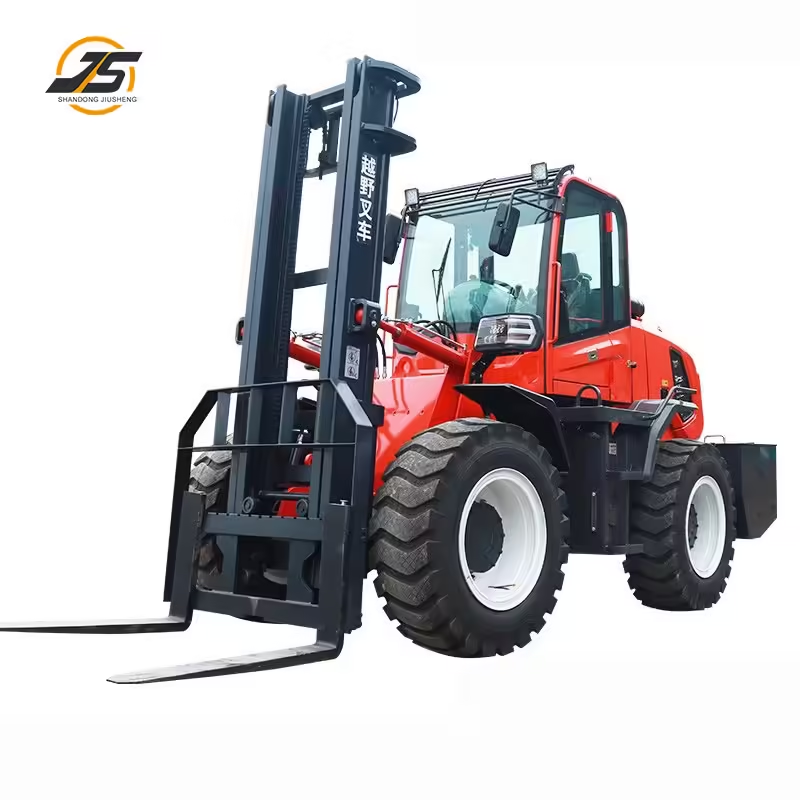
Electric forklifts are ideal for indoor operations due to their zero emissions, quiet operation, and low maintenance needs. Diesel forklifts, on the other hand, provide higher lifting capacities and longer operational hours for outdoor or heavy-duty applications. Evaluating your warehouse environment and workload is essential to selecting the most suitable power type.
Counterbalance vs. Reach Trucks
Counterbalance forklifts are versatile and widely used for general warehouse tasks, offering stability for lifting heavy loads. Reach trucks are designed for narrow aisle operations, allowing operators to reach higher shelves without sacrificing space efficiency. By understanding your warehouse layout, you can select the forklift type that maximizes both storage and accessibility.
Load Capacity, Lift Height, and Operational Efficiency
Selecting forklifts with the appropriate load capacity and lift height is critical for operational efficiency. Overloading or underestimating the required height can lead to frequent equipment downtime and safety risks. Professional forklift solutions providers can advise on matching equipment specifications to your warehouse demands, ensuring smooth daily operations.
Warehouse Optimization with Forklift Solutions

Streamlining Material Handling Processes
Efficient forklift solutions streamline the movement of pallets, raw materials, and finished goods across your facility. By optimizing workflows and reducing unnecessary handling steps, businesses can increase throughput and reduce errors. Implementing the right solutions also supports better inventory management and faster order fulfillment.
Reducing Operational Costs with Efficient Equipment
Investing in high-quality forklifts and attachments lowers operational costs by minimizing maintenance, downtime, and energy consumption. Modern electric forklifts, for instance, reduce fuel expenses while lowering environmental impact. When used correctly, efficient forklifts pay for themselves through increased productivity and reduced operational waste.
Enhancing Worker Safety and Productivity
Safety is a major concern in warehouse operations, and professional forklift solutions incorporate features such as stability control, ergonomic design, and collision detection. These innovations reduce accidents and workplace injuries, while also boosting operator confidence and efficiency. A safer work environment directly contributes to higher productivity and employee satisfaction.
Advanced Forklift Technologies
Automated Guided Vehicles (AGVs)
AGVs are revolutionizing warehouse automation by moving goods without manual operation. They follow programmed paths or use sensors to navigate complex warehouse layouts, significantly reducing labor costs and errors. AGVs are ideal for high-volume, repetitive tasks, helping warehouses maintain consistent output even during peak demand.
Fleet Management Software
Modern forklift solutions often include integrated fleet management software, allowing managers to monitor equipment usage, schedule maintenance, and track operator performance. These systems provide real-time insights that help optimize fleet deployment, reduce idle time, and extend the lifespan of forklifts. Effective management software can also highlight opportunities to improve efficiency and reduce operating costs.
Energy-Efficient Forklift Options
Energy-efficient forklifts, such as lithium-ion electric models, provide higher uptime and lower energy consumption compared to traditional batteries. They also require less maintenance and offer rapid charging, making them suitable for round-the-clock operations. Choosing energy-efficient equipment not only reduces operational costs but also supports sustainability initiatives.
Maintenance and Support for Forklift Solutions

Preventive Maintenance Programs
Regular preventive maintenance ensures forklifts operate reliably and reduces the risk of unexpected breakdowns. Maintenance schedules may include battery checks, tire inspections, fluid replacements, and safety system testing. By implementing preventive programs, businesses extend equipment lifespan and maintain consistent warehouse productivity.
Service Contracts and Spare Parts Availability
Reliable forklift solutions providers offer service contracts and guaranteed spare parts availability. Quick access to replacement components minimizes downtime and prevents disruptions in operations. Comprehensive service agreements also provide peace of mind for B2B partners managing large fleets.
Extending Equipment Lifespan
Proper maintenance combined with high-quality equipment significantly extends forklift lifespan. Investing in durable forklifts and structured support programs reduces long-term capital expenditure. Partners benefit from lower total cost of ownership and increased ROI for their warehouse operations.
Cost Considerations and ROI of Forklift Solutions
Total Cost of Ownership
Beyond initial purchase price, evaluating the total cost of ownership (TCO) is crucial. TCO includes energy costs, maintenance, repairs, operator training, and potential downtime. Manufacturers that provide full-service solutions help businesses calculate realistic costs and avoid unexpected expenses.
Financing and Leasing Options
Many professional forklift solution providers offer flexible financing or leasing programs. These options allow businesses to upgrade to modern, efficient equipment without significant upfront capital. Leasing can also provide tax benefits and simplify fleet expansion for growing warehouses.
Maximizing ROI Through Proper Selection
Choosing the right forklifts and supporting solutions ensures higher operational efficiency and lower costs over time. By optimizing equipment selection and integrating advanced technologies, businesses can achieve faster ROI. Expert guidance from a reliable provider ensures that each investment contributes to long-term productivity gains.
Why Partner with a Professional Forklift Solutions Provider
Industry Expertise and Consultation Services
Professional providers bring years of experience and in-depth knowledge of warehouse logistics. They can recommend the best equipment for specific workflows, warehouse layouts, and operational goals. Access to expert consultation ensures businesses make informed, cost-effective decisions.
Custom Solutions for Different Warehouse Needs
Every warehouse has unique operational challenges. Providers can deliver tailored forklift solutions, including customized attachments, automation systems, and fleet management tools. Customization allows businesses to optimize performance while addressing their specific material handling requirements.
Reliable After-Sales Support
Ongoing support is a critical component of professional forklift solutions. Providers offer training, maintenance services, and rapid technical assistance to ensure minimal downtime. Reliable after-sales support strengthens partnerships and enhances customer satisfaction for B2B clients.
Conclusion
Investing in comprehensive forklift solutions is one of the most effective ways to optimize warehouse operations. From improving efficiency and safety to reducing operational costs, the right forklifts and supporting technologies deliver measurable business benefits. By partnering with a professional forklift solutions provider, distributors, warehouse managers, and logistics companies gain access to expert guidance, high-quality equipment, and long-term support.
FAQ
What are forklift solutions?
Forklift solutions include the forklifts themselves, attachments, maintenance programs, and technology systems that optimize material handling in warehouses and distribution centers. They help businesses improve efficiency, safety, and workflow consistency.
How do I choose the right forklift solution for my warehouse?
Choosing the right solution depends on your warehouse layout, load capacity, lift height, and type of operations. A professional provider can recommend electric, diesel, counterbalance, or reach forklifts based on your specific needs.
What types of forklifts are available?
Common types include electric forklifts, diesel forklifts, counterbalance trucks, reach trucks, and automated guided vehicles (AGVs). Each type serves different operational requirements, from indoor narrow aisles to outdoor heavy-duty work.
How can forklift solutions improve warehouse efficiency?
By streamlining material handling, reducing labor costs, and integrating fleet management software, forklift solutions optimize workflow. Efficient solutions also minimize downtime and increase throughput across the warehouse.
Do forklift solution providers offer maintenance and support?
Yes, reputable providers offer preventive maintenance programs, spare parts availability, and technical support. This ensures equipment reliability, extends forklift lifespan, and reduces operational interruptions.
Need Help Choosing the Right Forklift Solutions?
If you’re unsure which forklift solution is best for your warehouse or logistics operation, our experts are here to help. Contact us today for a personalized consultation, and ensure your material handling system is efficient, safe, and optimized for your business. Don’t wait to improve your warehouse operations—get in touch now to boost productivity and protect your assets!
 English
 Russian
 French
 Spanish
 Arabic